Table of Contents (11 sections)
Traveling the world is a dream for many, yet the cost can deter even the most eager adventurers. Fortunately, with the right strategies, you can explore diverse destinations without breaking the bank. In this guide, we’ll explore effective budget travel tips that offer you a rich experience while keeping your finances intact.
1. Plan Your Trip Early
Planning is key to optimizing your travel budget. Book flights and accommodation well in advance to take advantage of lower prices. For instance, research shows that flights are often cheapest when booked about 6-8 weeks before departure. Additionally, planning your itinerary allows you to prioritize must-see attractions, which helps eliminate last-minute expenses.
A detailed itinerary can save you time and money. Use travel apps to monitor flight prices and set alerts for significant drops. Incorporate buffer days if your schedule allows; you’ll often find better deals mid-week.
💡 Expert Tip: Check historical flight price trends on comparison websites to anticipate the best booking windows.
2. Be Flexible with Travel Dates
Flexibility can lead to significant savings. If your schedule allows, consider traveling during the off-peak season. Popular destinations often reduce prices dramatically outside of peak tourist times. For example, traveling to Europe in early spring or late fall can save you upwards of 30% compared to summer rates.
Moreover, using tools like Google Flights allows you to search for flights across a month to find the cheapest departure times. Consider also flying into secondary airports; they might be further from your destination, but the savings can be considerable.
3. Explore Alternative Accommodations
While hotels may be convenient, they are often pricey. Explore budget-friendly alternatives such as hostels, vacation rentals, and homestays. Websites like Airbnb and Booking.com offer diverse choices that cater to various budgets. For instance, staying in a shared room in a hostel can cost as low as $20, while renting a small apartment might be more economical than multiple hotel rooms.
Additionally, consider options with kitchen facilities. Cooking your meals can significantly reduce food expenses, allowing you to allocate more of your budget towards experiences.
4. Use Local Transportation
When exploring a new city, opting for local transportation can save you a considerable amount. Instead of relying on taxis or rideshares, use buses and subways. For instance, in cities like Amsterdam or Tokyo, public transport is efficient and affordable.
Additionally, research transportation passes, which offer unlimited travel for a set period. For example, some cities provide a weekly pass that is cheaper than purchasing separate single tickets. Walking and biking are also great ways to save money while seeing the sights up close.
5. Embrace Free and Low-Cost Activities
Many travelers overlook the wealth of free and low-cost attractions available in most destinations. Museums often have free entry on certain days, and city tours typically offer free walking tours. Research local events—festivals, concerts, and markets can provide an authentic taste of the area without significant costs.
For example, in cities like Barcelona, you can enjoy iconic parks and beaches for free. Maintain a mindset of discovery rather than consumption. Ask locals for recommendations on hidden gems that won't strain your budget.
6. Eat Like a Local
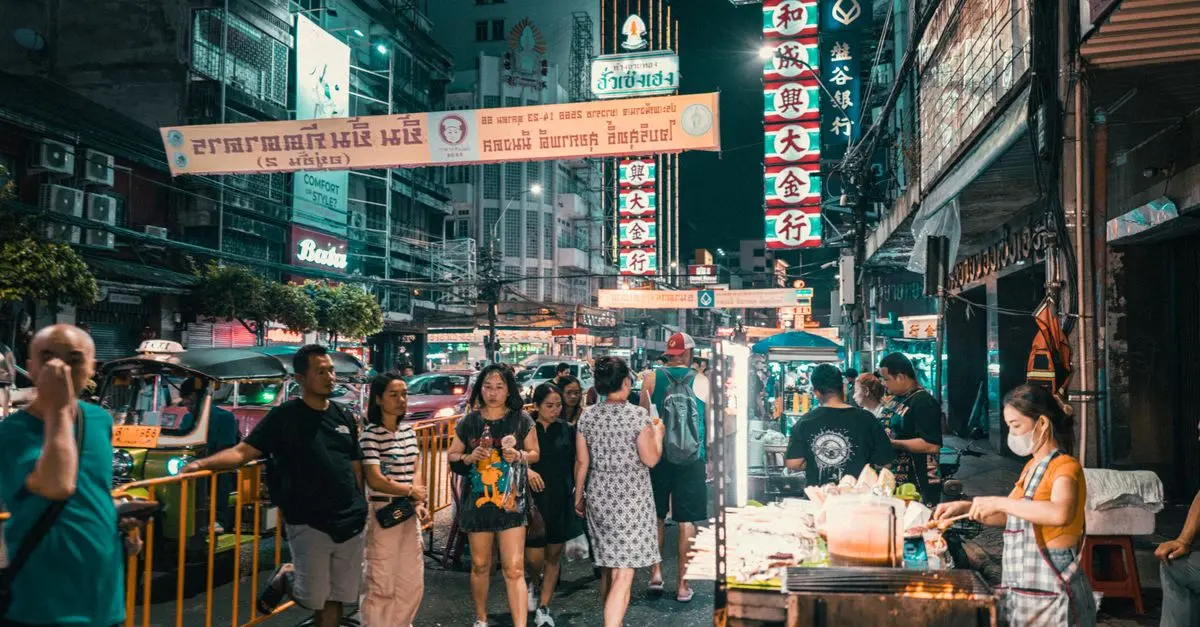
Dining can consume a large portion of your travel budget. Instead of dining in tourist-centric restaurants, seek out local spots where residents eat. Street food offers authentic flavors at a fraction of the price.
In countries like Thailand, local markets provide delicious meals for under $3. Even in pricier destinations, many cities have great lunch deals or sushi happy hours that can significantly lower your expenses. Consider picnicking in parks—purchasing groceries from local shops is both cost-effective and culturally enriching.
7. Connect with Fellow Travelers
Networking with fellow travelers can provide priceless insights and tips. Join travel forums or social media groups relevant to your travel destination. You might find travel companions or even locals offering advice on the best deals in town.
Moreover, consider couchsurfing or staying with friends of friends. Connecting with other travelers can offer shared experiences and split costs on accommodations and meals, making adventures more affordable.
📺 For more tips: Check out videos related to budget traveling! Search YouTube for "Budget travel tips 2026".
| Criteria | Hostels | Hotels | Vacation Rentals | Verdict |
|---|---|---|---|---|
| Price | $20/night | $100/night | $60/night | Hostels for budget |
| Amenities | Shared facilities | Private room | Kitchen facilities | Varies by option |
| Experience | Social atmosphere | Privacy | Home-like experience | Depends on preference |
| Location Availability | City center | Suburban | Various | Flexible options |
| Term | Definition |
|---|---|
| Budget Travel | Traveling with a focus on reducing expenses while maximizing experiences. |
| Off-Peak Season | Period in which travel demand is lower, often resulting in cheaper rates. |
| Couchsurfing | A service connecting travelers with locals offering free accommodations. |
🧠 Quick Quiz: What is one of the best ways to save money while traveling?
- A) Stay at luxury hotels
- B) Eat at expensive restaurants
- C) Use local transportation
Answer: C — Using local transportation is often cheaper and provides a more authentic experience.
Take the plunge into exploring the world without feeling financially strapped. With these budget travel tips, you can enjoy the beauty and diversity our planet offers while keeping your expenses manageable. Ready to see the world? Let us know your favorite budget travel tip in the comments below!