Table of Contents (17 sections)
Travel is not just about famous landmarks and crowded tourist spots; it’s also about discovering hidden cultural travel destinations that provide genuine insights into diverse traditions and lifestyles. In this article, we delve into 12 lesser-known gems around the globe that promise enriching experiences and memorable adventures.
1. Matera, Italy: A City Carved in Stone
Nestled in the Basilicata region of southern Italy, Matera is one of the oldest continuously inhabited cities in the world, famed for its ancient cave dwellings known as Sassi. These cave homes are part of a UNESCO World Heritage Site, and visitors can explore the intricate architecture that has evolved over thousands of years. The city's vibrant atmosphere is enhanced by local festivals, traditional food, and unique storytelling traditions unique to the region. According to a report from UNESCO, Matera's landscape is a stunning example of a synergetic blend of history, culture, and nature.
2. Bhutan: The Last Shangri-La
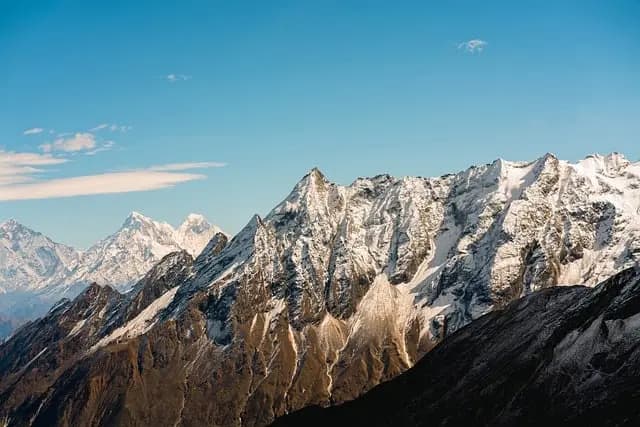
The small Himalayan kingdom of Bhutan remains largely untouched by modernization, prioritizing Gross National Happiness over economic growth. Visitors can explore stunning monasteries, like Tiger's Nest, perched on cliffs, immersing themselves in Bhutanese culture through festivals such as Tshechu. The country is famous for its commitment to preserving its cultural identity, and travelers can participate in traditional archery, learn about local crafts, and enjoy breathtaking mountain views. National Geographic refers to Bhutan as a model for sustainable tourism, making it a must-visit for those seeking a deeper cultural understanding.
3. Tanna, Vanuatu: A Volcanic Wonderland
The island of Tanna, located in Vanuatu, offers visitors a unique opportunity to witness the active volcano, Mount Yasur. Beyond the volcanic landscapes, Tanna is rich in Melanesian culture, where locals still live traditionally, practicing customs passed down through generations. Visitors can engage in local dances, taste exotic cuisine, and even participate in ceremonial offerings. The captivating blend of volcanic nature and vibrant community life is an experience like no other, making this island a hidden gem in the South Pacific.
4. Aït Benhaddou, Morocco: A UNESCO Treasure
Aït Benhaddou is a striking ksar (fortified village) along the former caravan route between the Sahara and Marrakech. Its adobe architecture and stunning mountain backdrop have made it a popular filming location, appearing in films like Gladiator and Game of Thrones. This UNESCO World Heritage site lets travelers step back in time, walking through narrow alleys and observing the daily lives of residents. It’s an exemplary model of the traditional Moroccan earthen clay architecture that's become increasingly rare in today’s world. Visitors can learn about local crafts such as carpet weaving and pottery, providing a deeper appreciation of Berber culture.
5. Luang Prabang, Laos: Where Nature Meets Tradition
Luang Prabang, situated at the confluence of two rivers, is a serene UNESCO World Heritage site renowned for its well-preserved architecture and rich Buddhist traditions. Visitors can rise early to witness the Alms Giving Ceremony, a daily ritual where monks collect food offerings from locals, creating an atmosphere of peace and spirituality. The town's vibrant night market and stunning waterfalls, such as Kuang Si, also offer unique opportunities to immerse oneself in Laotian culture. According to the UNESCO World Heritage Centre, Luang Prabang showcases the fusion of traditional Lao and French colonial influences, enriching the cultural narrative of Southeast Asia.
6. Cuzco, Peru: The Inca Heart
The former capital of the Inca Empire, Cuzco is a tapestry of indigenous and Spanish colonial history. Although some may say it is well-trodden, many of its cultural depths remain unexplored. From exploring ancient sites like Sacsayhuamán to vibrant markets, Cuzco offers a fascinating mix of history and modernity. The San Pedro Market is a great spot to taste local delicacies such as ceviche and purchase handmade crafts. A 2019 study by Explore Peru highlighted that cultural immersion, such as participating in local traditions, leads to more sustainable tourism.
7. Kotor, Montenegro: Adriatic Enchantment
Kotor is a picturesque town on Montenegro's Adriatic coast that boasts stunning landscapes and a rich maritime history. A UNESCO World Heritage site characterized by its Mediterranean architecture and stunning fjord-like bay, Kotor offers a blend of cultural experiences from St. Tryphon Cathedral to local music festivals. Visitors can hike the ancient fortifications to enjoy panoramic views of the town and surrounding bay. Local cuisine, particularly fresh seafood dishes, showcases the area’s culinary heritage. Forbes ranks Kotor as one of Europe’s last undiscovered paradises, making it a fascinating travel destination.
8. Gjirokastër, Albania: The Stone City
Gjirokastër, a UNESCO World Heritage site, is known for its Ottoman-era architecture and stone houses. Often referred to as the Stone City, it features a stunning castle that overlooks the town and offers insight into one of Albania’s most significant historical sites. Visitors can learn about the country's history and sample traditional dishes like qifqi (rice balls) while experiencing the warmth of Albanian hospitality. The town also serves as a cultural hub during summer, hosting festivals celebrating local crafts, music, and traditional dances, enriching travelers' cultural experiences.
9. Tbilisi, Georgia: The Heart of the Caucasus
Tbilisi, the capital of Georgia, is an eclectic blend of cultures and traditions influenced by its rich history at the crossroads of Europe and Asia. The city's diverse architecture is evident in the Old Town, where visitors can stroll through narrow streets, dine on traditional Georgian cuisine like khachapuri, and sip on local wines. The city hosts numerous festivals celebrating art and music, allowing travelers to immerse themselves fully in Georgian culture. According to The Guardian, Tbilisi’s street art scene is a vivid expression of the city’s dynamic cultural life.
10. Shillong, India: The Musical Capital
Located in the northeastern state of Meghalaya, Shillong is renowned for its breathtaking hill scenery and vibrant music culture. Often referred to as the ‘Scotland of the East’, it is famous for its annual music festivals, drawing talent from all over India. Visitors can explore waterfalls, visit local markets, and participate in the lively nightlife while experiencing the rich traditions of the Khasi tribe. According to a report by India Today, Shillong showcases the unique fusion of eastern and western musical influences, making it a captivating destination for music enthusiasts.
11. Taormina, Italy: The Jewel of Sicily
Taormina is perched on the cliffs of Sicily and offers spectacular views of Mount Etna. Known for its ancient Greek theatre and vibrant local festivals, Taormina is steeped in history and culture. Travelers can wander the winding streets filled with boutique shops and restaurants serving delicious Sicilian cuisine. The annual Taormina Film Festival attracts filmmakers and critics, showcasing the town’s commitment to arts and culture. According to Sicily Journal, the blend of culture, history, and natural beauty makes Taormina a hidden cultural gem worth exploring.
12. Oaxaca, Mexico: Colorful Traditions
The city of Oaxaca is famous for its rich cultural heritage, known for its stunning cuisine, including mole and artisanal mezcal. Visitors can engage in various traditional arts, from weaving to pottery, particularly during the vibrant Guelaguetza festival, celebrating indigenous culture. The historic town is also home to some of the most significant archaeological sites, such as Monte Albán. According to Culinary Institute of America, the unique culinary scene in Oaxaca offers an authentic journey into the heart of Mexican culture.
📺 Resource Video
📺 For a deeper understanding: Explore Hidden Cultural Gems Around the World, an in-depth look at these fascinating destinations. Search on YouTube: hidden cultural travel destinations 2026.
Checklist for Discovering Hidden Cultural Destinations
- [ ] Research local customs and traditions
- [ ] Try local cuisines and participate in food tours
- [ ] Engage with local artists and craftsmen
- [ ] Attend local festivals and events
- [ ] Visit cultural and historical sites
Glossary
| Term | Definition |
|---|---|
| Cultural Heritage | The legacy of physical artifacts and intangible attributes of a group or society. |
| UNESCO | United Nations Educational, Scientific and Cultural Organization, promoting global cooperation in the fields of education, science, and culture. |
| Sustainable Tourism | Tourism that respects local people, culture, and environment, ensuring future generations can enjoy the same cultural experiences. |
---
📺 Pour aller plus loin : hidden cultural travel destinations 2026 sur YouTube